The barefoot dream – Grupo Vivir Descalzo
How friendship, curiosity and just the right amount of chaos became the foundations of one of the most successful hospitality groups in Ibiza.
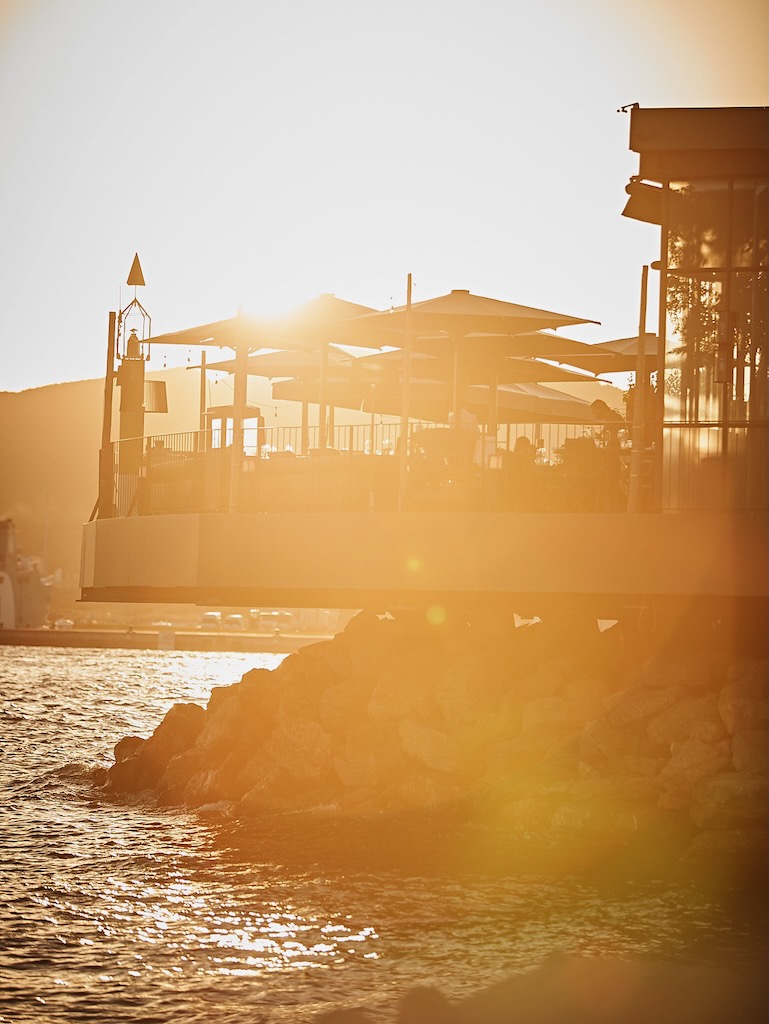
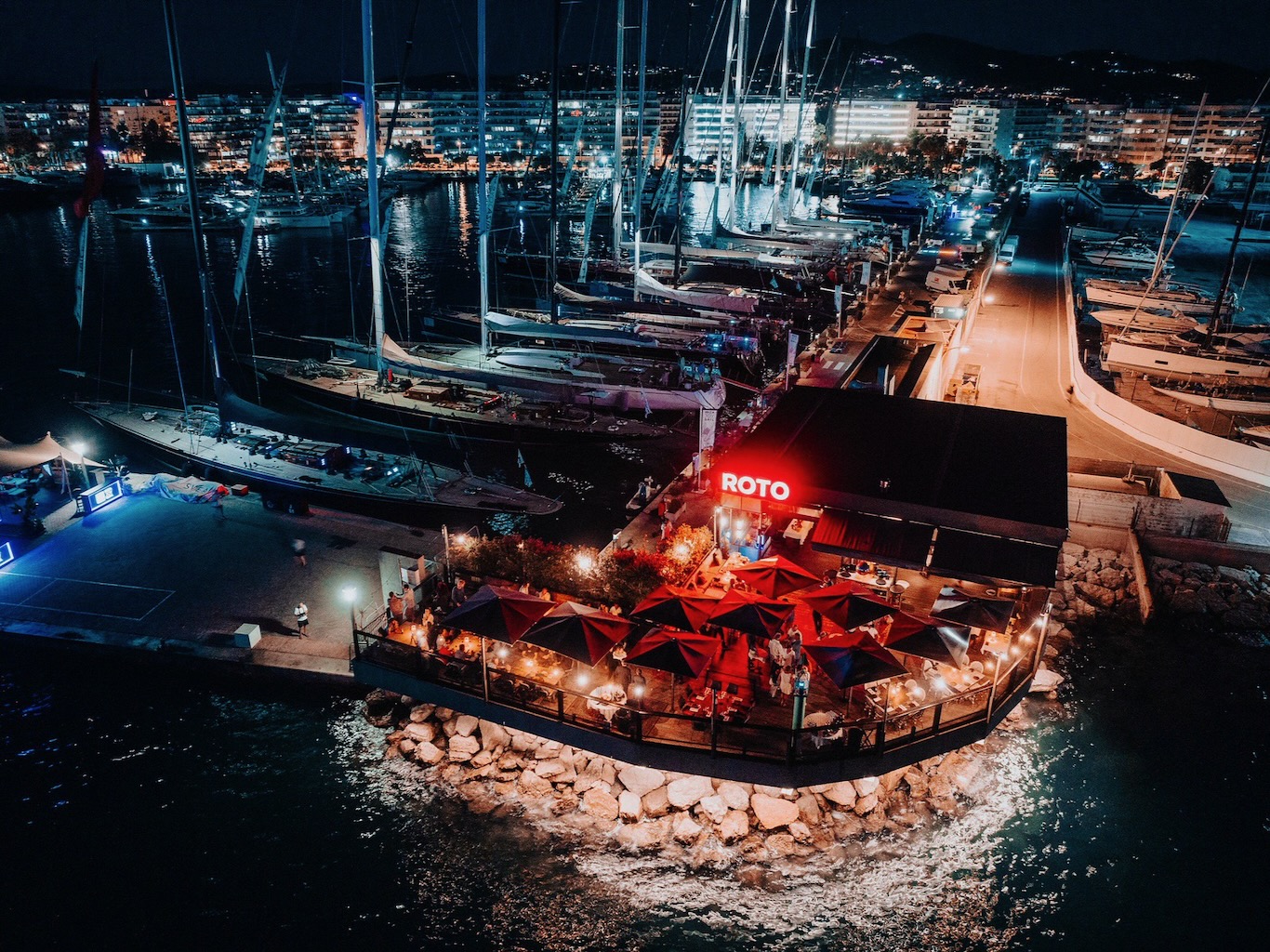
On a sultry summer evening back in 2014, two friends sat on a rocky outcrop across the bay from Ibiza’s old town and saw a potential that no one else had seen before. Andrés García-Prado and Miguel Sancho – old friends and business partners in the legendary Beso Beach in Formentera – watched the sunlight flicker over the sea and made an extraordinary decision: they would build a restaurant on these very rocks. “There was nothing there,” says Andrés. “Just a pontoon at Marina Ibiza, the breakwater rocks and the sea.” The seed for ROTO – the pair’s concept to meld a restaurant with the vibes of a club – had been planted. They had no idea it would take five years to sprout.
Finally, on July 02, 2019, ROTO Ibiza was launched. By their own account, the opening weeks were a disaster. It was the middle of high season, the menu had barely been tested, and furniture was still arriving as builders worked through the morning and staff scrambled to clear the site by evening service. “We got everything spectacularly wrong,” Miguel recalls. “We sent dishes to the wrong tables; orders were taken half-right. Drinks got mixed up or simply never arrived.” Yet the restaurant was full that first night, and every night thereafter. The chaos endeared the clientele rather than repelled them, and the ambience was electric from the start.
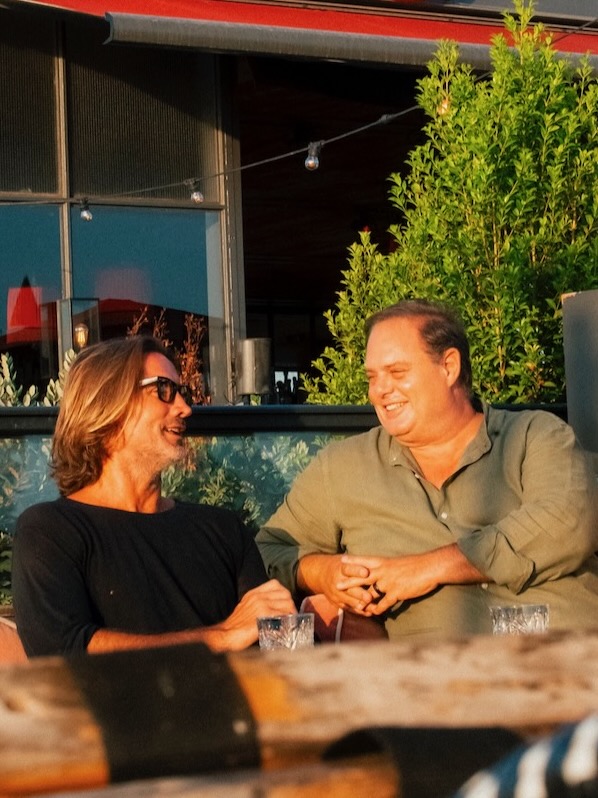
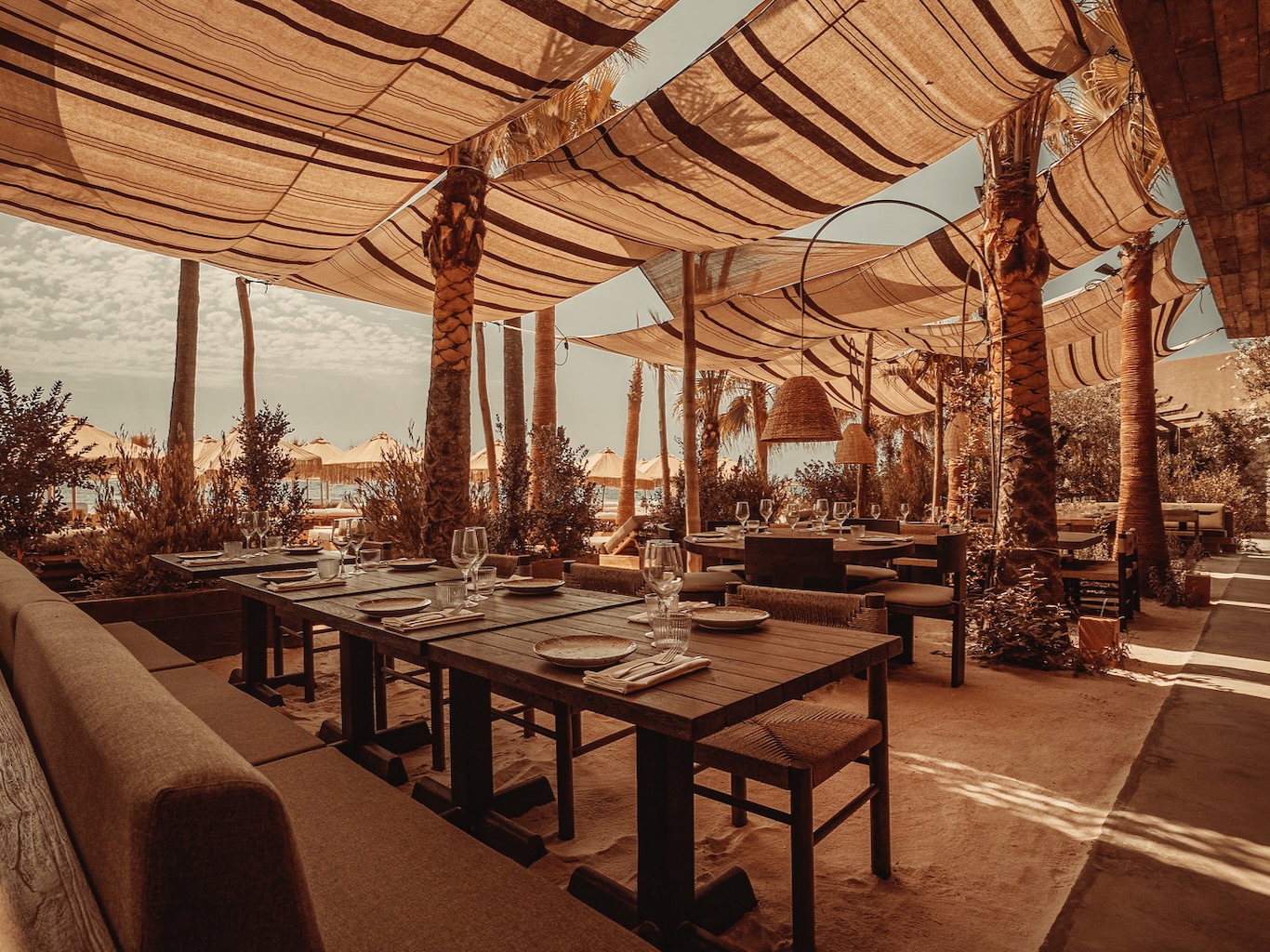
ROTO was their first project after stepping away from Beso Beach, the venue that had cemented their reputations as savvy operators. Beso Beach too, had made no sense on paper: a beach club with no sea view, sand on the floor instead of the usual decking, hearty steaks served in 40-degree heat. Whatever the combination was, it became one of the most talked-about beach clubs in the Balearics, and the launchpad for Grupo Vivir Descalzo, the umbrella under which the pair since have built a dozen hospitality projects, among them Playa Soleil Ibiza, RE•TRO, Filin and Marina Village in Ibiza and the chic Cala Duo in Formentera, plus ROTO outposts in Formigal and Zaragoza.
Each partner came from a very different background, yet somehow both developed outlooks that would converge and complement the other. Miguel was born in Barcelona and trained within the demanding discipline of the Institut de Teatre, dreaming of a career in dance. “Behind any moment that looks spontaneous, there are countless hours of preparation, repetition and attention to detail,” he says of those years, a sentiment he continues to bring into business and daily life. Reinvention was forced onto him when an injury ended the dream he had worked so hard for. He arrived in Ibiza in 2004 and found a new passion in the sea, building a boat charter business that taught him something he didn’t realise he would need. “I learned that there was an art to welcoming people and that providing a good experience was deeply rewarding,” he says. “I began to understand the meaning of hospitality long before opening a restaurant.”
Andrés came to Ibiza by a completely different road. Originally from Jerez, he followed the path his family expected, earning a law degree before spending years inside Spain’s public administration in Madrid, eventually rising to director general of a specialised regional body. “When you work in the public sector, you understand that decisions have consequences on many people,” he says, a lesson that shapes how he runs the group today. He later moved into communications and advertising, mastering how to convert an idea into a brand without losing authenticity. None of it looked like hospitality, yet all of it was exactly the training he needed.
What makes this partnership work isn’t shared experience, it’s a shared curiosity – about themselves, the world and the people around them. “We came together because we deeply trusted the way the other thought,” says Miguel. “Before there was a business there was mutual admiration and mutual respect. We spent hours talking about life and the universe before there was ever a business plan.” Neither man credits a founding moment. “There was never a day we sat down and said: ‘Let’s start a company together’,” says Andrés. “What happened was something far more important: Ibiza allowed us to discover ourselves, and time did the rest.”
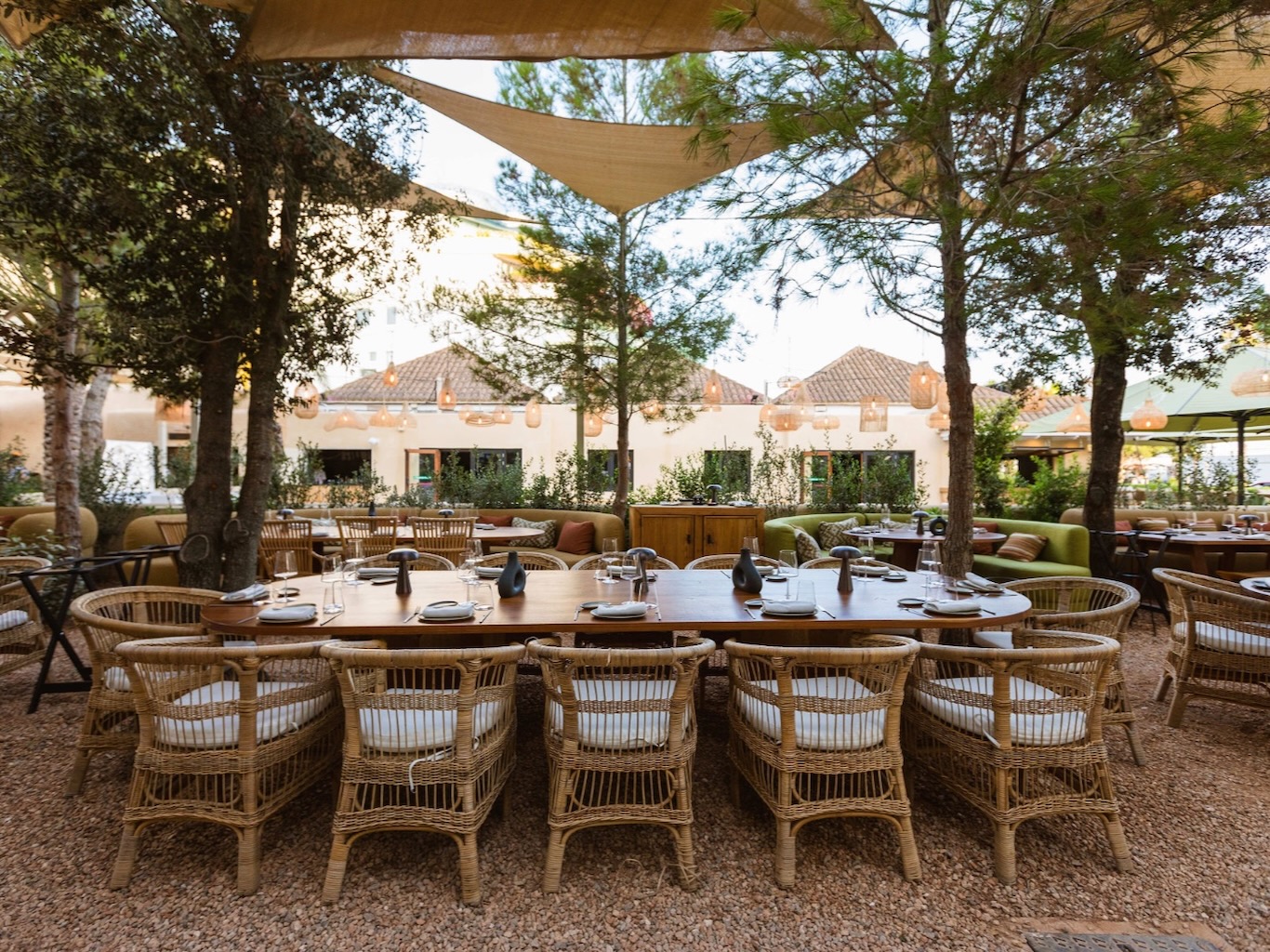
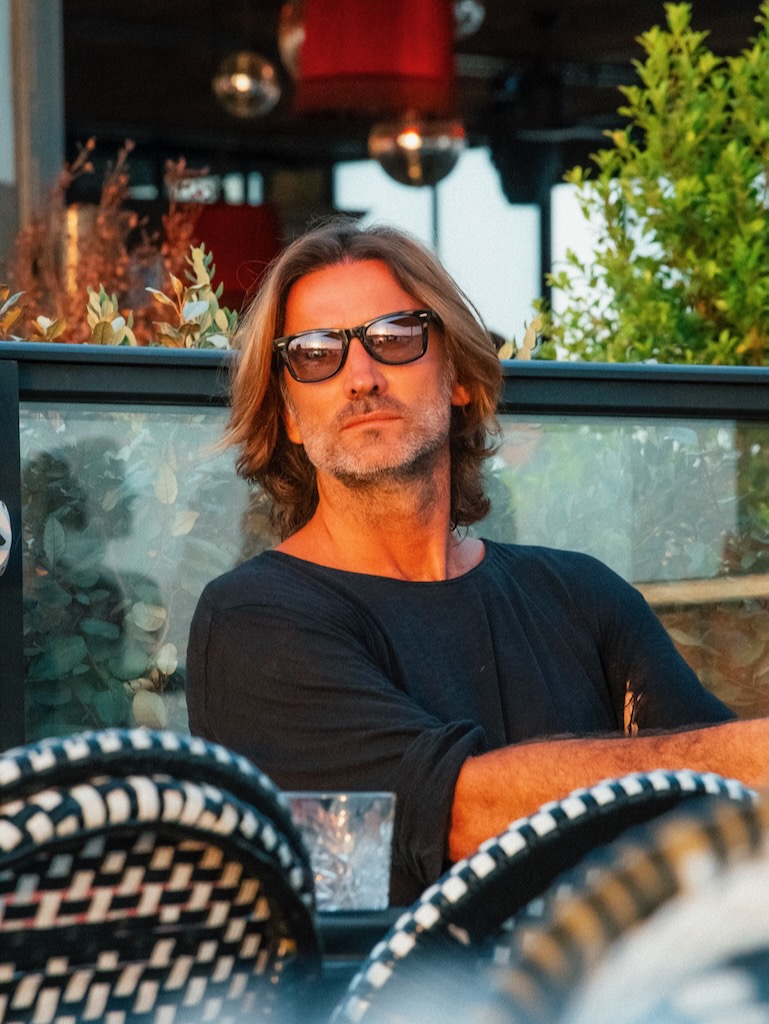
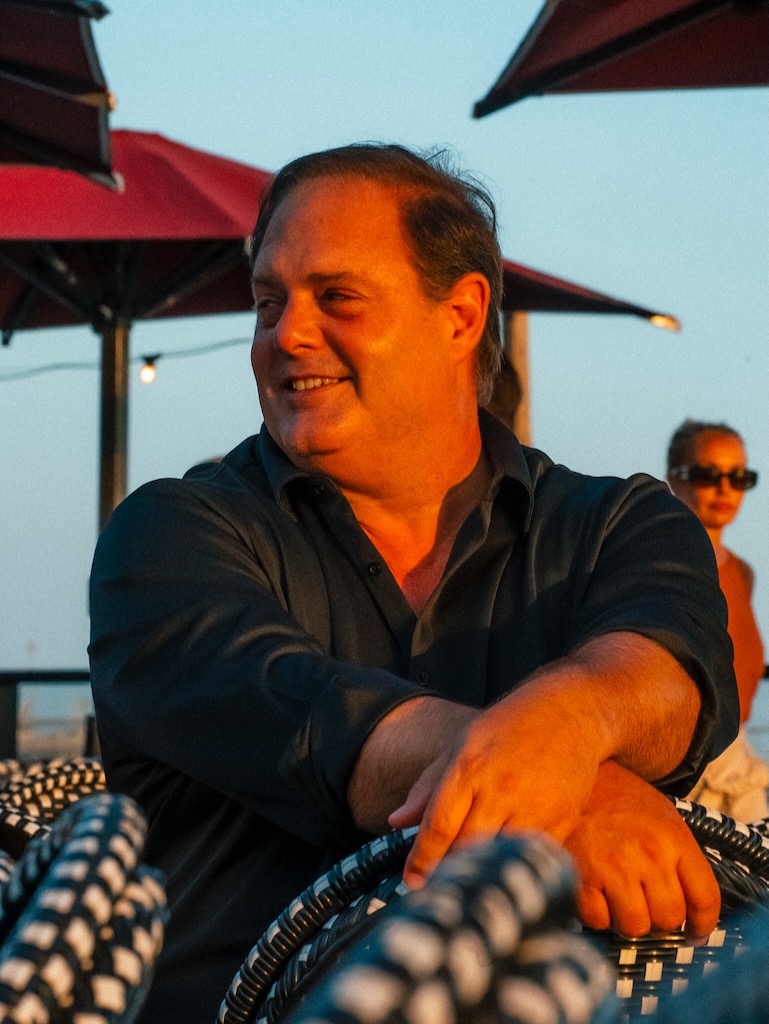
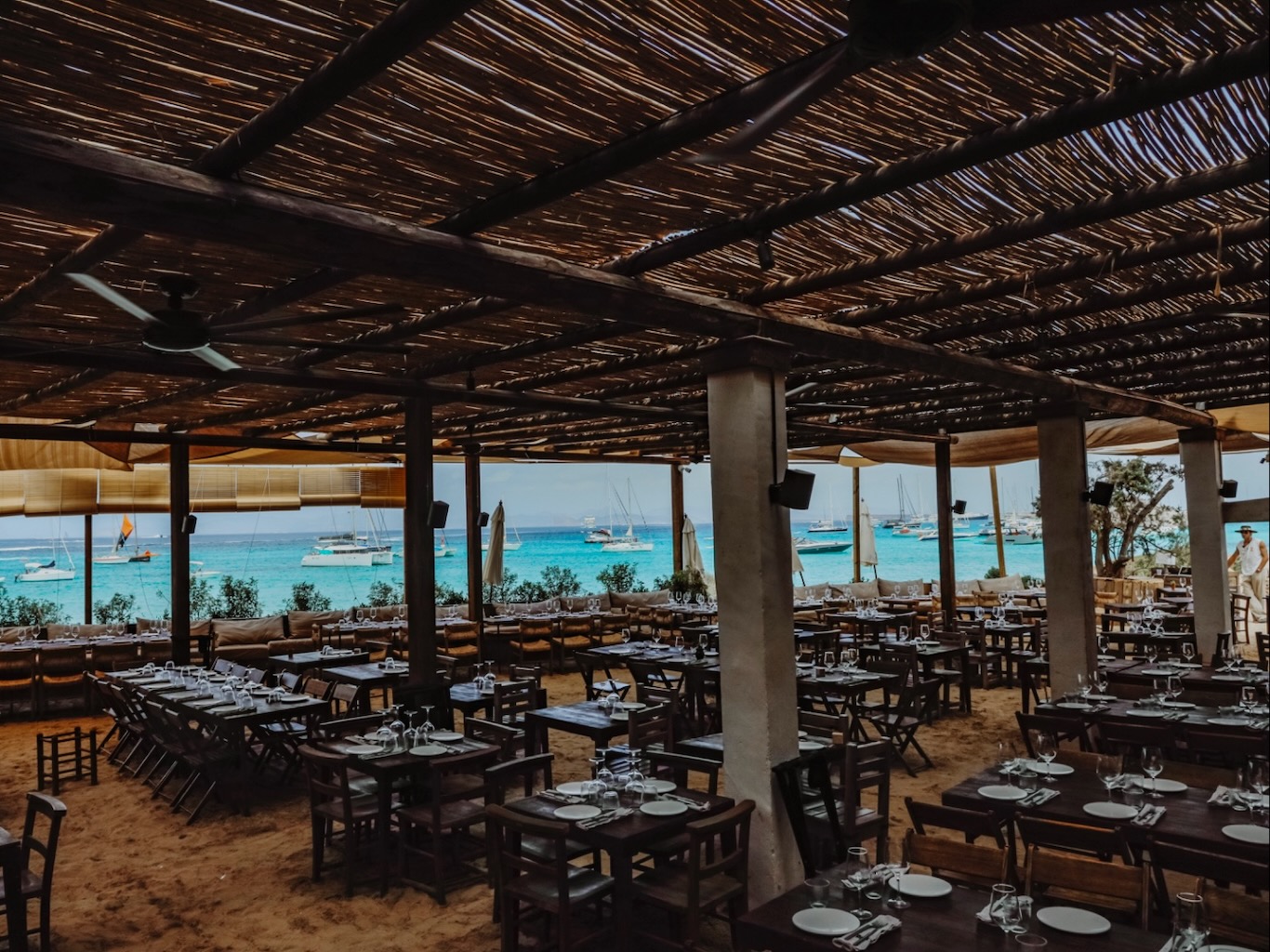
That same curiosity extends to the people they’ve chosen to build a life alongside and how they spend their time together and apart. “Separating work from life has never been easy for us,” says Miguel. “Many of our best moments and ideas have come from sharing a meal, going for a walk or travelling. In that sense, work is part of how we live, but we still enjoy the islands the way we did at the start: getting out on the water, walking, finding a quiet spot or spending time with family and friends.” Both have found love and within it a deep appreciation for their good fortune. “We’re both immensely lucky to have wonderful women by our side,” says Andrés. “There would be no Miguel without Ana, and no Andrés without Lourdes – they’re true guiding lights in our lives, personal and professional alike.” It’s a significant admission that proves something larger: for two men who’ve built a successful brand in a tough business, the aim was never the scale, but the people.
More than a decade on, Andrés and Miguel remain, above all, friends. “We’ve spent many years making decisions together,” says Miguel. “We’ve learned we don’t always need to think the same way. What matters is sharing the same values. We’ve argued about plenty of ideas, but we’ve never argued about purpose, and I think that’s been our greatest strength.” What holds it together is the same instinct that put them on those rocks in 2014: build what you’d want for yourself. What they wanted was always to vivir descalzo – to live barefoot. It’s still, they say, the only plan they ever really had. “What we value most isn’t the restaurants we’ve opened – it’s still wanting to sit down and talk,” concludes Andrés. “As long as that conversation stays as exciting as it was on day one, we’ll feel like we’re doing things right.”
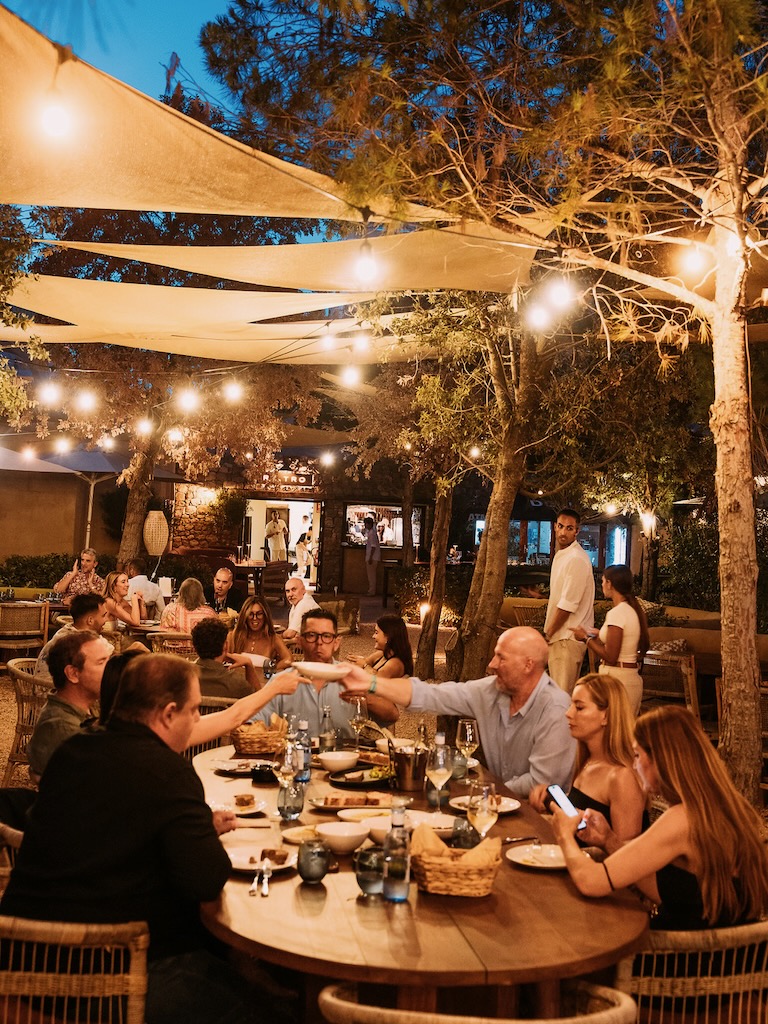
Chef David Reartes’ new tapas bar in Marina Village serving sharing plates and grilled favourites on a sun-dappled, leafy terrace.
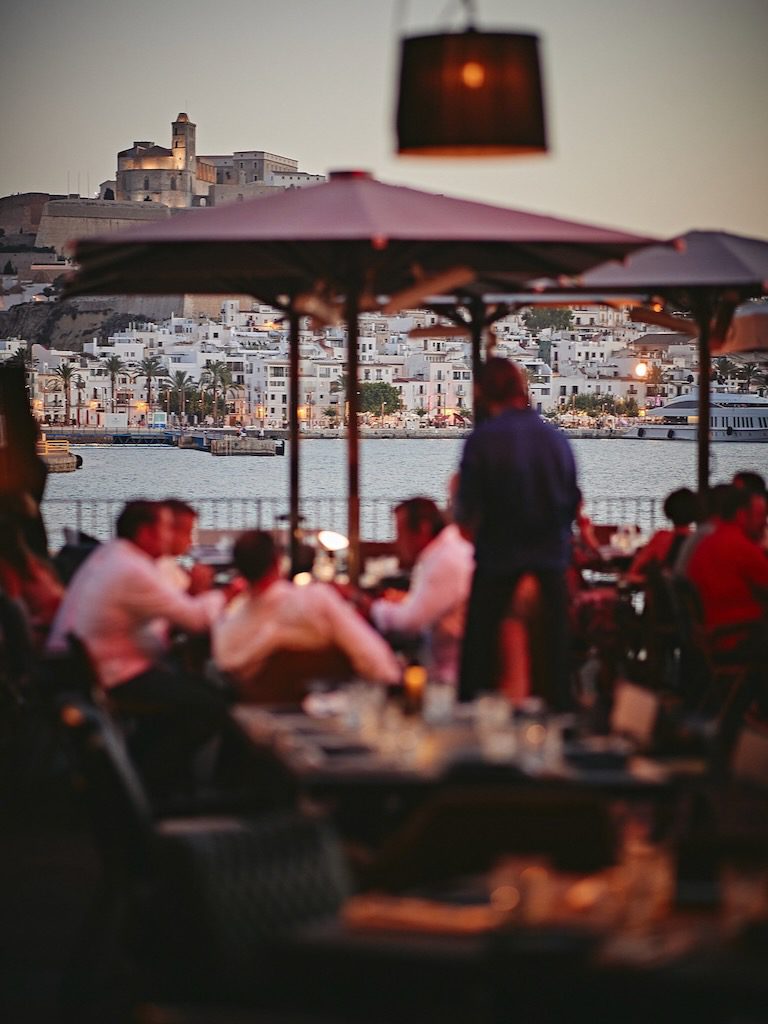
Perched right over the water in Marina Botafoch, this stunning Ibiza restaurant boasts sea views, late-night DJs and a buzzing vibe.
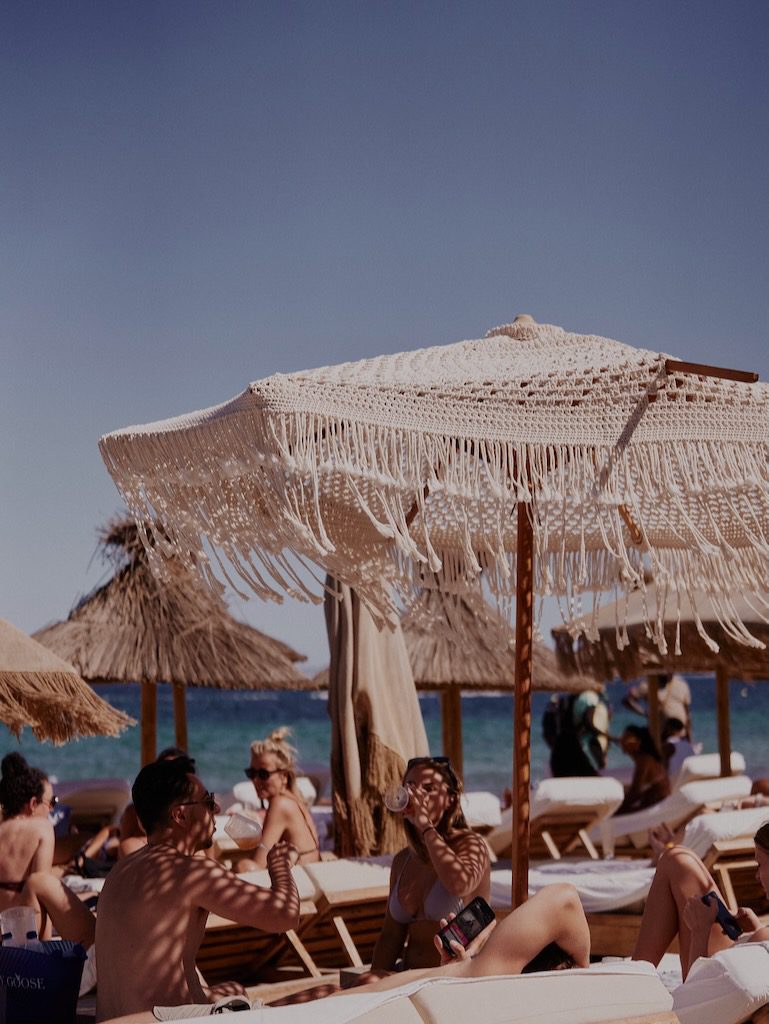
A multi-sensory experience spanning exquisite food, incredible sea views, and soundtracks spun by world-class DJs.